
Learning to Walk Through Unseen Threats
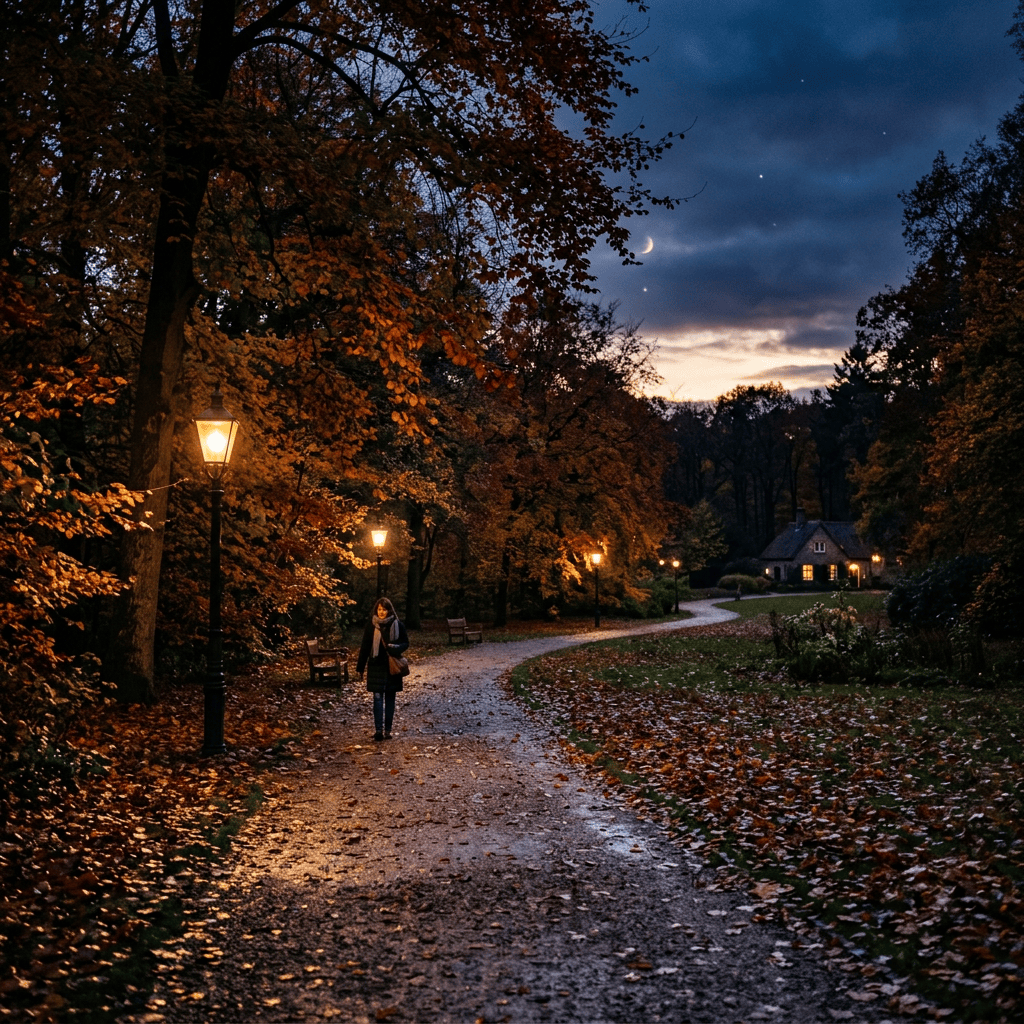
There is a specific kind of quiet that arrives late in autumn, usually right around twilight, when the light drains out of the sky faster than you are ready for. The shadows stretch long across the floorboards, the furnace kicks on with a low, dry hum, and the mind—if left unattended—begins to tally every unresolved threat waiting just beyond the doorstep.
For a long time, I treated anxiety as a defect, an internal malfunction that needed to be ironed out. But living through sustained uncertainty teaches you something different: anxiety is often the natural collision between deep responsibility and zero control. When you carry the weight of caring for a family, sustaining a business, and managing a body that isn’t as indestructible as it once was, stress stops being a temporary visitor. It becomes the weather.
Over the past year, that weather has been relentless. In confronting it, I’ve had to take an honest inventory of the pressures weighing on my chest—and learn, inch by inch, how to survive them without letting them hollow me out.
The Unmapped Territory: Chronic Undiagnosed Illness
Nothing strains a home quite like an ailment with no name. When someone you love is chronically ill, you want a clear diagnosis—not because a diagnosis is a cure, but because a label gives you an opponent you can study. It gives you a roadmap, clinical trials to read about, and a treatment plan to follow.
When tests come back normal, when specialists shrug and schedule another visit four months out, and your wife is still suffering day in and day out, the ground beneath you gives way. You exist in an agonizing limbo. Every morning starts with a quiet check-in: How is she feeling today? Can she get out of bed? What symptom is flaring up now? The helplessness is paralyzing. You want to fix it, but you are completely powerless against an invisible shadow.
How do you hold hope for someone when medicine itself can’t give you a starting line? How do you keep panic from dictating the atmosphere of your home when the person you lean on is hurting?
What I do to cope: I had to stop playing the amateur diagnostic researcher at midnight. Burning through medical forums and hypothetical scenarios only fueled a frantic, ineffective adrenaline that drained the energy my wife actually needed from me. Instead, I shifted my focus entirely to what is tangible: keeping our home environment calm, managing the daily logistics so she doesn’t have to carry them, and learning to simply sit with her without demanding a silver lining. Sometimes the strongest act of support is refusing to let medical anxiety crowd out simple companionship.
The Economic Squeeze and the Empty Shifts
Running an independent business has always required a high tolerance for risk, but lately, the headwinds feel systemic. Between economic pressures driven by reckless policy choices and an economy strained by inflation and regulation, customer spending has tightened noticeably. Foot traffic and contracts slow down, yet overhead doesn’t budge.
Compound that with persistent staffing shortages, and running a business shifts from strategic growth to raw endurance. When you cannot find reliable, qualified people to fill essential roles, the burden falls square onto the owner’s shoulders. You become the technician, the manager, the janitor, and the accountant. You find yourself working inside the gears every day, terrified that one missed day of work will cause the entire engine to seize.
Have you ever looked at a balance sheet or a blank work schedule and felt an immediate knot tighten in your stomach? When external forces choke off your livelihood, where do you draw the line between prudent caution and consuming dread?
What I do to cope: I had to strictly compartmentalize my operating routine. Early on, I checked sales figures, bank accounts, and employment inquiries dozens of times a day—a nervous tic that produced zero additional revenue. Now, I review business vitals once in the morning and once before closing the ledger.
When staffing shortages force me to cover gaps myself, I ruthlessly trim non-essential offerings. Rather than trying to maintain normal capacity with half the staff—a guaranteed recipe for catastrophic burnout—I set firm boundaries around what my business can reliably deliver right now. Communicating clearly with clients about turnaround times removed the paralyzing fear of “underperforming” and replaced it with realistic, transparent service.
The Seasonal Descent: Darkness, Cold, and the Ghost of an Injury
There is an emotional weight to the changing calendar. Watching the leaves fall and the daylight retreat before 5:00 PM brings an instinctive, melancholy chill. The evenings grow cold, long, and isolating, stripping away the effortless outdoor habits that naturally decompress the nervous system during summer.
This year, the encroaching winter brings an added edge of physical vulnerability. Having broken my leg, the prospect of snow, slick walkways, and black ice isn’t just an inconvenience—it feels dangerous. A severe bone break fundamentally alters your relationship with your body. It strips away physical confidence. Where you once walked briskly down an icy path without thinking, your nervous system now screams a warning with every step. The thought of slipping, re-injuring the limb, and losing my mobility all over again while my family and business depend on me is a recurring flash of dread.
Does your body carry the memory of an injury long after the bone has knit? How do you stop your mind from turning an approaching change in season into a countdown toward disaster?
What I do to cope: I tackle environmental anxiety with aggressive, early preparation. Rather than waiting for the first freeze to trigger a panic response, I over-prepare my space: stocking salt early, inspecting boots, outfitting footwear with traction cleats, and ensuring every access point is clear and well-lit.
Mentally, I confront the seasonal gloom by deliberately curating the evenings. If the dark comes early, I treat the house as a fortress rather than a prison—prioritizing bright, warm interior lighting, lighting the stove, and setting a consistent indoor routine that gives the evening hours deliberate purpose instead of passive dread.
The Distorting Lens of Exhaustion
Perhaps the most insidious accelerant of anxiety is sheer physical fatigue. When you juggle caretaking, staffing deficits, and physical tension across fourteen-hour days, sleep becomes fragmented.
Fatigue doesn’t just make you tired; it poisons your perspective. It distorts reality. A minor problem that you could easily solve on a full night’s sleep turns into an insurmountable crisis when you’re depleted. Exhaustion convinces you that things will never improve, that every business setback is permanent, and that your strength will give out before the circumstances change. It strips away perspective and replaces it with pure pessimism.
When was the last time you made a catastrophic life assessment simply because your nervous system was crying out for rest? How often do you mistake being utterly drained for being fundamentally defeated?
What I do to cope: I instituted a strict rule: never make major evaluations or decisions after 8:00 PM. When dark thoughts begin spiraling at night, I label them accurately: “This is fatigue speaking, not reality.”
I’ve had to let go of the pride that says I can run on four hours of broken sleep. Protecting sleep has become non-negotiable. If that means leaving a stack of paperwork on the desk until 7:00 AM, the paperwork waits. A rested mind can absorb hits that a tired mind crumbles under.
Gathering the Fragments
Coping with anxiety is not about reaching an idyllic, stress-free state where problems vanish. It is about building small, resilient structures inside your day so that your worries don’t swallow you whole. It is about doing the hard, quiet work of separating what is in your hands from what is entirely out of your control.
Every day presents a choice: let the compounding pressures dictate the narrative, or show up, breathe through the tension, and do the next right thing.
Now, I turn the floor over to you: When life piles on unanswerable medical worries, economic hurdles, seasonal shifts, and bone-deep fatigue all at once, what keeps your feet on the ground? How do you silence the catastrophic what-ifs when the world feels cold and unpredictable? Let’s talk about it.


