
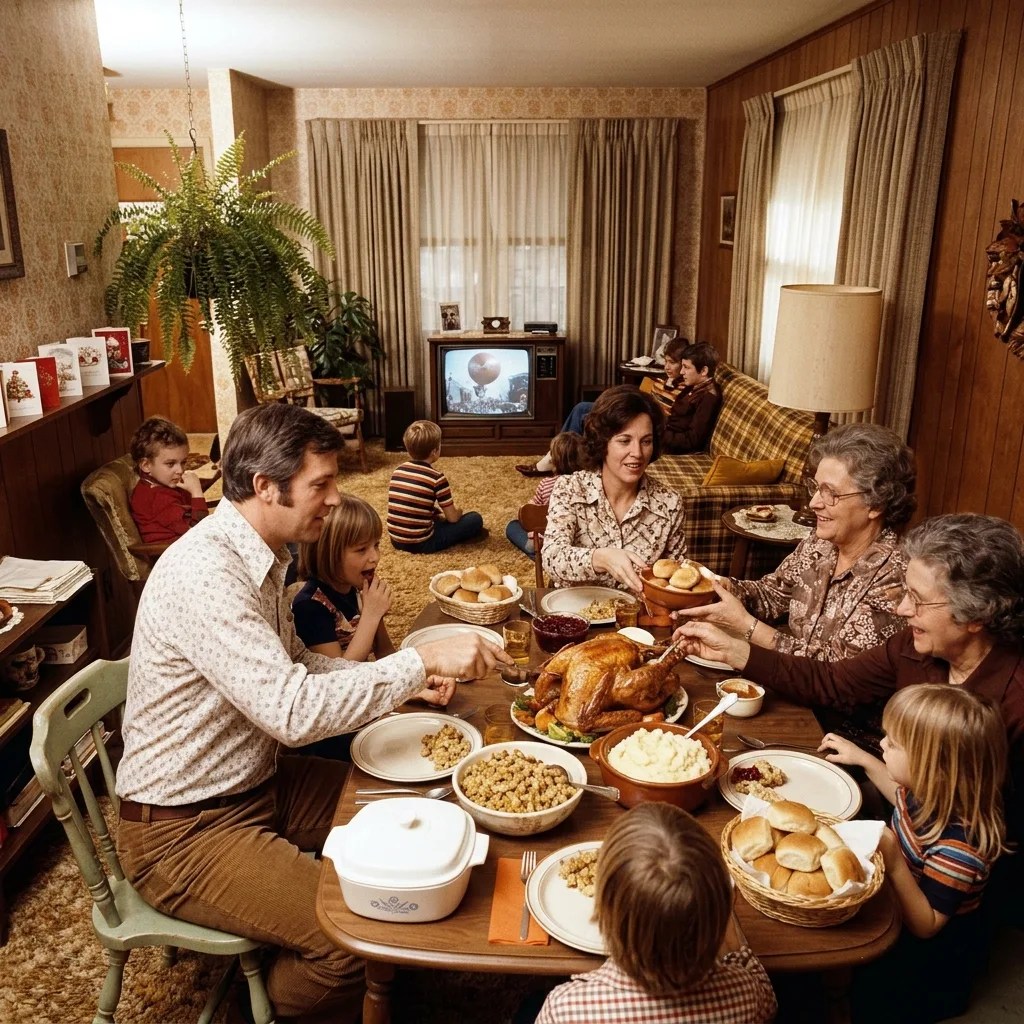
There is a specific kind of stillness that only exists in the early morning hours of Thanksgiving, long before the front door starts swinging open and the house fills with the overlapping cadence of relatives catching up. In my memory, that stillness was always broken by the low, familiar hum of the living room television. You didn’t even have to look at the screen to know what was happening; the brassy fanfare of marching bands and the cheerful, slightly breathless commentary of the hosts meant the Macy’s Thanksgiving Day Parade was underway. Sitting cross-legged on the living room rug, still in pajamas while the late-November chill pressed against the windowpanes, those giant helium balloons floating down the avenues of New York felt like the official starting gun for the entire holiday season.
Not long after the first marching band entered Herald Square, the second sensory anchor of the day would begin to drift out from the kitchen. It started subtly—the sharp, earthy scent of onions and celery softening in melted butter—before gradually deepening into the rich, unmistakable perfume of roasting turkey, sage, and baked sweet potatoes. There was no rushing that process. The kitchen was a warm, steam-fogged sanctuary where timers ticked steadily on the counter and someone was always shooing people away from sneaking pieces of crispy skin off the resting bird. Those aromas didn’t just promise a meal; they wrapped the entire house in a sense of permanence and safety.
Looking back, the most striking thing about those Thanksgivings wasn’t any single dish or parade float, but the sheer elasticity of time itself. Back then, a single Thursday stretched out like an entire weekend. Without phones buzzing on the coffee table or notifications pulling our attention into a dozen different corners of the internet, an afternoon had room to breathe. You could watch a parade, linger over a midday snack, throw a football in the yard until your fingers went numb, eat dinner at three in the afternoon, and still have hours left over for board games, second helpings of pie, and long, meandering conversations that had nowhere else to be.
Right at the center of that unhurried world was my father. Nobody loved Thanksgiving quite the way he did. While others might have treated it as a stressful logistical hurdle, he approached the day with a quiet, wholehearted reverence. For him, it wasn’t about perfection—it was about having everyone under one roof, the simple pride of carving the turkey at the head of the table, and the genuine gratitude he carried for a full house and a warm meal. Seeing how deeply he cherished the day gave it a gravity that stuck with me long after the dishes were cleared.
And hovering just beyond the edge of the dining table, giving the whole day an extra charge of electricity, was the thrilling realization that Christmas was right around the corner. In those days, Thanksgiving wasn’t overshadowed by the winter holidays; it was the sacred threshold that unlocked them. The moment the last slice of pumpkin pie was eaten, the mental calendar flipped. Suddenly, Christmas music was fair game, the first flurries of snow felt imminent, and the cozy, slow-burning anticipation of December officially began.
Today, the holiday carries a noticeably different rhythm. While the traditions on the surface look much the same, the modern Thanksgiving often feels like it is running on a tighter schedule. The parade still plays on the television, though it frequently competes with glowing screens in the palms of our hands—texts from friends, last-minute recipe checks, and the quiet pull of Black Friday sales that now start days before the turkey even goes into the oven. The kitchen still smells wonderful, yet the day itself seems to sprint past in a blur of logistics, travel windows, and calendar coordination.
We also carry a different kind of awareness into the room as we grow older. Today’s Thanksgiving is layered with the bittersweet reality of empty chairs, changing family dynamics, and the realization that the magic we once took for granted was actually built by the quiet labor and love of the generation before us. When I look at the holiday now, I don’t just experience it as a participant; I find myself stepping into my father’s shoes, trying to hold the center of the room and recreate that same warmth for the people gathered around my own table.
Comparing the Thanksgivings of the past with the ones we celebrate today isn’t really about deciding which era did it better—it’s about recognizing how our relationship to time and presence has shifted. We may never quite recapture the slow, analog stretch of a childhood Thursday, nor can we hold back the creeping rush of the modern holiday season. Yet every year, when the parade bands start playing and the scent of sage and roasting turkey begins to fill the hallway, we are given the exact same invitation my father always accepted so joyfully: to put everything else down, pull up a chair, and be completely, gratefully present for the people right in front of us.


